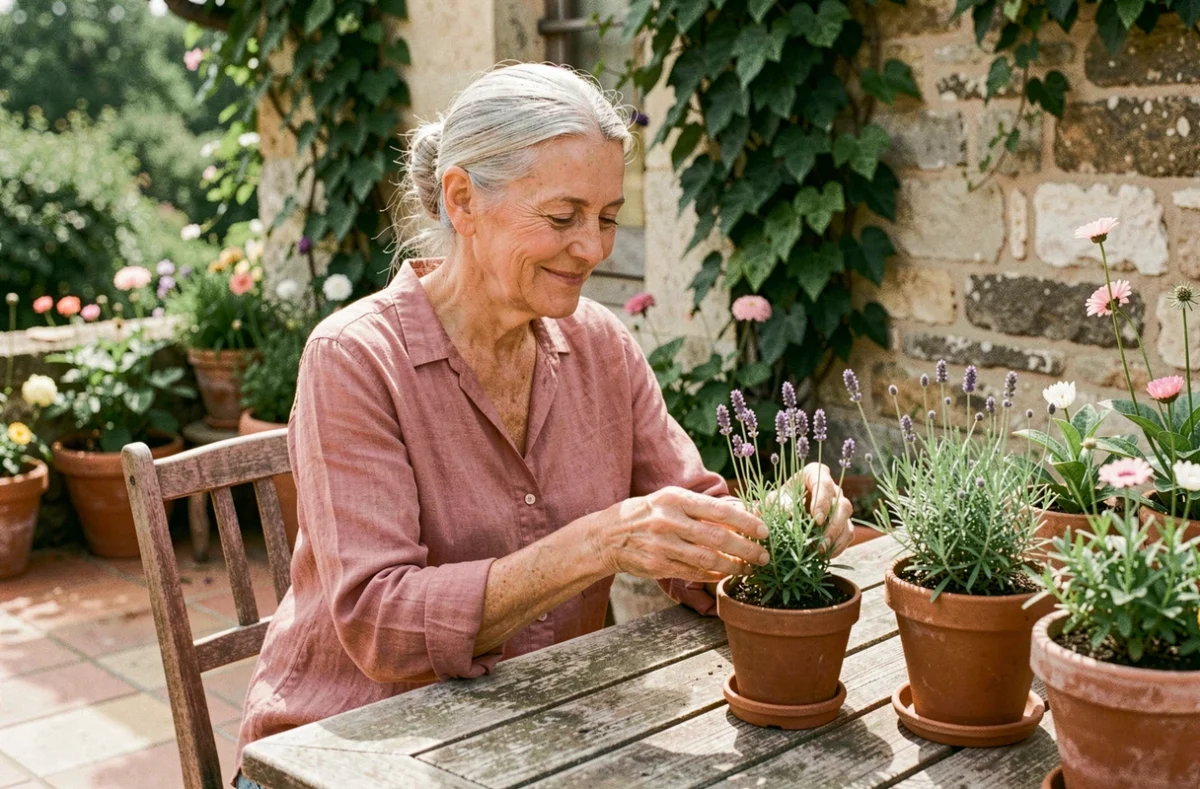
Enjoying a fulfilling retirement is about more than having free time. The transition involves practical decisions about health, housing and finances—and sometimes caring for a parent who is losing their independence. Which indicators can help determine whether this new stage is being planned for effectively, and where do expectations differ from the realities retirees face?
Retirement and independence in France: the figures that put things in perspective
Recent figures from Drees reveal an apparent paradox. Loss of independence at home was less common in 2022 than in 2015. Overall, older people are therefore managing better at home than they were a few years ago, thanks in particular to advances in prevention and the gradual adaptation of housing.
At the same time, a joint projection by Insee and Drees, published in October 2025, forecasts a rise in the number of older people losing their independence by 2050. Longer life expectancy and the baby-boom generations reaching advanced age in large numbers explain this trend.
| Indicator | Recent findings | Projection |
|---|---|---|
| Loss of independence at home | Down between 2015 and 2022 (Drees) | Expected to rise by 2050 (Insee/Drees) |
| Prevention check-up for ages 60–65 | Fully covered by Assurance Maladie | Program being rolled out |
| Isolated family caregivers | Three in ten caregivers support their loved one alone (Drees) | Growing pressure as the population ages |
These figures paint a mixed picture. Better health in the short term does not guarantee freedom from difficulties in the years ahead, making preparation all the more important.
To explore resources and services for older people, the Seniors du Monde guide for older people brings together practical information on a wide range of topics related to this stage of life.
Prevention check-up between ages 60 and 65: an underused opportunity
One little-known program offers a practical starting point for enjoying a fulfilling retirement. The dedicated prevention check-up, available to people aged 60 to 65, gives you the chance to discuss sleep, physical activity, nutrition and mental well-being with a healthcare professional.
The appointment is fully covered by Assurance Maladie, with no upfront payment. It is more than a routine medical check-up: it is a structured opportunity to identify potential issues before they take hold.
Other websites providing information for older people often talk about “looking after your health” in general terms. What sets this check-up apart is its clearly defined institutional framework. It covers areas that are rarely addressed together:
- An assessment of sleep and its impact on cognitive function, often overlooked in routine consultations
- A review of adapted physical activity that goes beyond “walking for 30 minutes a day” to assess actual functional abilities
- A mental well-being component that can help identify signs of isolation or loss of motivation after leaving work
Scheduling this check-up in the months after retirement provides a factual basis for making adjustments to your daily routine, rather than relying solely on how you feel.
Retired and caring for a parent: balancing your plans with day-to-day support
Becoming a family caregiver just as you retire is an increasingly common situation. Drees figures show that three in ten caregivers support their loved one alone, without regular help from family or professionals.
This can radically change everyday life. A retiree who had planned to travel, volunteer with an association or simply take things more slowly may find themselves coordinating care, managing medical appointments and regularly supporting a dependent parent.
Adapt your parent’s home before an emergency
One of the most effective steps is to plan home adaptations in advance. MaPrimeAdapt’ can help fund practical improvements, such as replacing a bathtub with a level-access shower, installing a stairlift or fitting grab bars. Eligibility depends on age, loss of independence or disability, as well as income.
Starting this work early—before a fall or hospital stay forces a decision in an emergency—can make all the difference. An adapted home reduces the caregiver’s day-to-day workload and helps the parent remain independent for longer.
Prevent caregiver isolation
The main risk is not immediate physical exhaustion. It is the gradual loss of personal plans, until retirement becomes nothing more than a permanent caregiving role. Finding out about respite services early (day care, occasional home help and caregiver support platforms) can help maintain a balance between family commitments and personal life.

Retirement rules and checking your record: a decision not to put off
Pension calculation rules and retirement eligibility requirements change regularly. Shifting your retirement date by just a few months can affect your pension amount or related entitlements. The best approach is to check your record with your pension fund before setting a date, rather than relying on online calculators alone.
This check can uncover missing quarters, incorrectly recorded periods or options (buying back pension quarters, combining work and retirement) that could change the financial picture. The rules depend on each person’s circumstances, and successive reforms have made it increasingly difficult to assess individual cases without speaking directly to an adviser.
A fulfilling retirement starts with decisions based on reliable information. The prevention check-up for ages 60 to 65, a review of your pension record and planning for a caregiving role are three practical steps that most guides for older people cover separately, even though they overlap in the lives of many retirees.