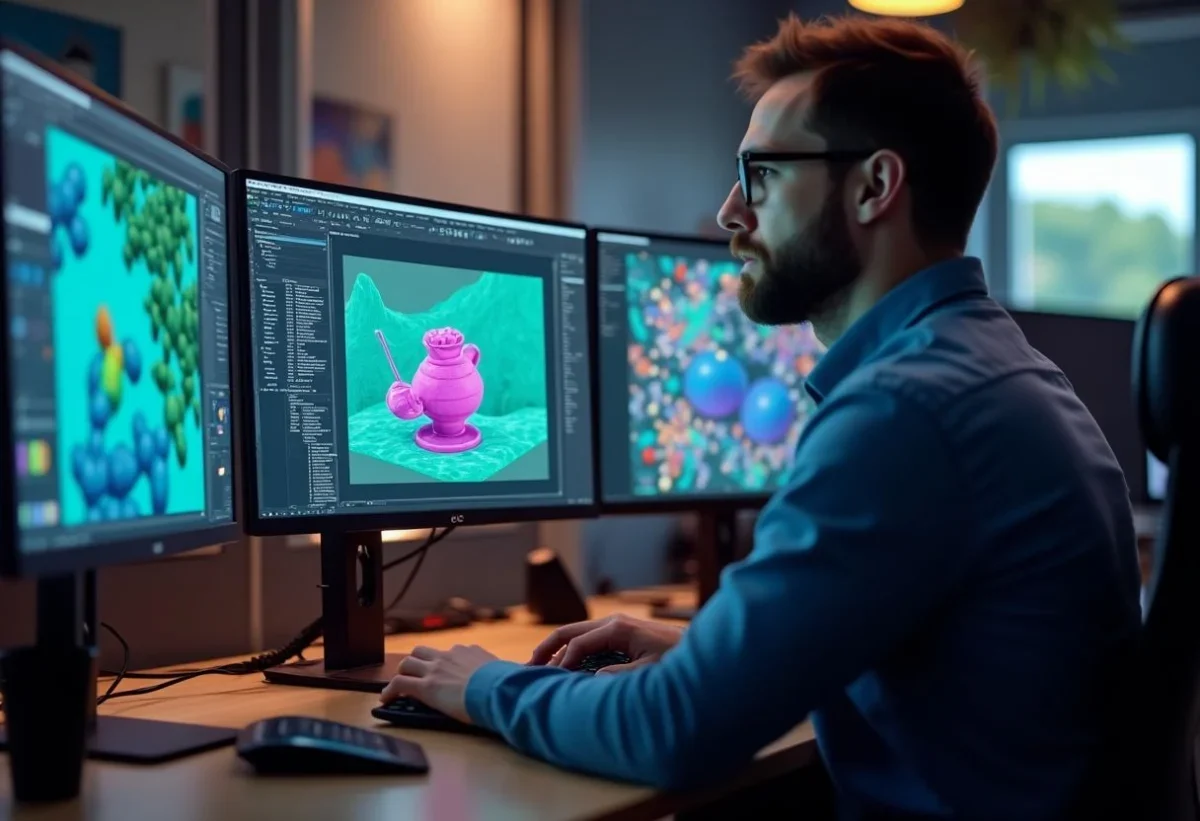
Graphic design transcends the boundaries between art and communication, becoming a fundamental pillar in our image-saturated visual world. This discipline, once confined to the realms of print and advertising, has metamorphosed to embrace digital technologies. Professionals in this field play a crucial role in creating the visual identity of companies, designing user interfaces, and creating captivating digital content. Aspiring to a career in this dynamic field, pursuing training in graphic design has become an essential step.
The Foundations of Graphic Design Training
The graphic design training is based on a combination of theory and practice, allowing students to gain a deep understanding of design principles while developing their creativity.
A typical program includes courses on the history of art and design, color theory, typography, and visual composition. Students learn to use digital tools such as Adobe Photoshop, Illustrator, and InDesign, which are essential in the industry.
They are also introduced to concepts of web design, interaction design, and animation.
This balanced mix of theoretical teaching and practical applications prepares future designers to tackle the challenges of the professional world.
Key Skills to Develop
Developing the necessary skills to excel in the field of graphic design is a continuous and demanding process. It is a sector where technical mastery must be accompanied by a keen sense of aesthetics and creativity.
- Creativity and innovation: These qualities are at the heart of any good graphic designer. They allow for the creation of unique visual solutions that captivate attention.
- Technical skills: Mastery of graphic design software is essential. Professionals must quickly adopt new tools and technologies to remain relevant.
- Visual communication: Knowing how to convey clear and effective messages through attractive visuals is crucial.
- Adaptability: In a constantly evolving sector, flexibility and a willingness to learn are valuable assets.
Career Opportunities
With the rise of digital media, professional opportunities for graphic designers have multiplied, opening the door to a variety of exciting careers.
- Art Director: This role involves overseeing the entire creative process, from conception to execution, to ensure the visual coherence of a brand.
- UI/UX Designer: UI/UX designers focus on creating user interfaces that are not only aesthetically pleasing but also intuitive and functional.
- Illustrator: This professional uses their artistic talent to create illustrations that support written content and capture the imagination of viewers.
- Motion Designer: Specializing in animation and motion graphics, this creator brings images to life through videos and interactive animations.
Choosing the Right Training
With a range of possibilities, choosing the graphic design training that aligns with your professional aspirations is an important strategic decision. It is essential to evaluate programs based on their educational content, the reputation of the instructors, and the practical experience opportunities offered.
Look for institutions that offer internships or collaborative projects with companies, as this will allow you to gain valuable real-world experience.
Don’t forget the importance of having a strong portfolio, as it is often the deciding factor in landing a job in this competitive sector.